October 10, 2026
How Much Does Radon Mitigation Cost? A Homeowner's Guide
By @theradonmitigationcostpulse
If you've tested your home for radon and the results came back high, you are probably wondering what happens next. The first question for most people is about the practical side of the fix, especially the radon mitigation cost. It is a fair concern. Nobody wants to spend money on something they do not fully understand. But the cost of reducing radon is not just a number on a quote. It reflects the specific conditions of your home, the type of system needed, and the long-term peace of mind you gain.
I have worked in this field for years, and I can tell you that the range people see for a typical residential installation is usually between $800 and $2,500. That is a wide spread because every house is different. The most common system, active soil depressurization, uses a radon fan to pull soil gas from under the slab and vent it safely above the roof. The radon mitigation cost depends on factors like the foundation type, the complexity of the duct work, and whether you need cosmetic repairs afterward. Let me walk you through what drives that price and how to think about it as an investment, not just an expense.
What Affects Your Radon Mitigation Cost
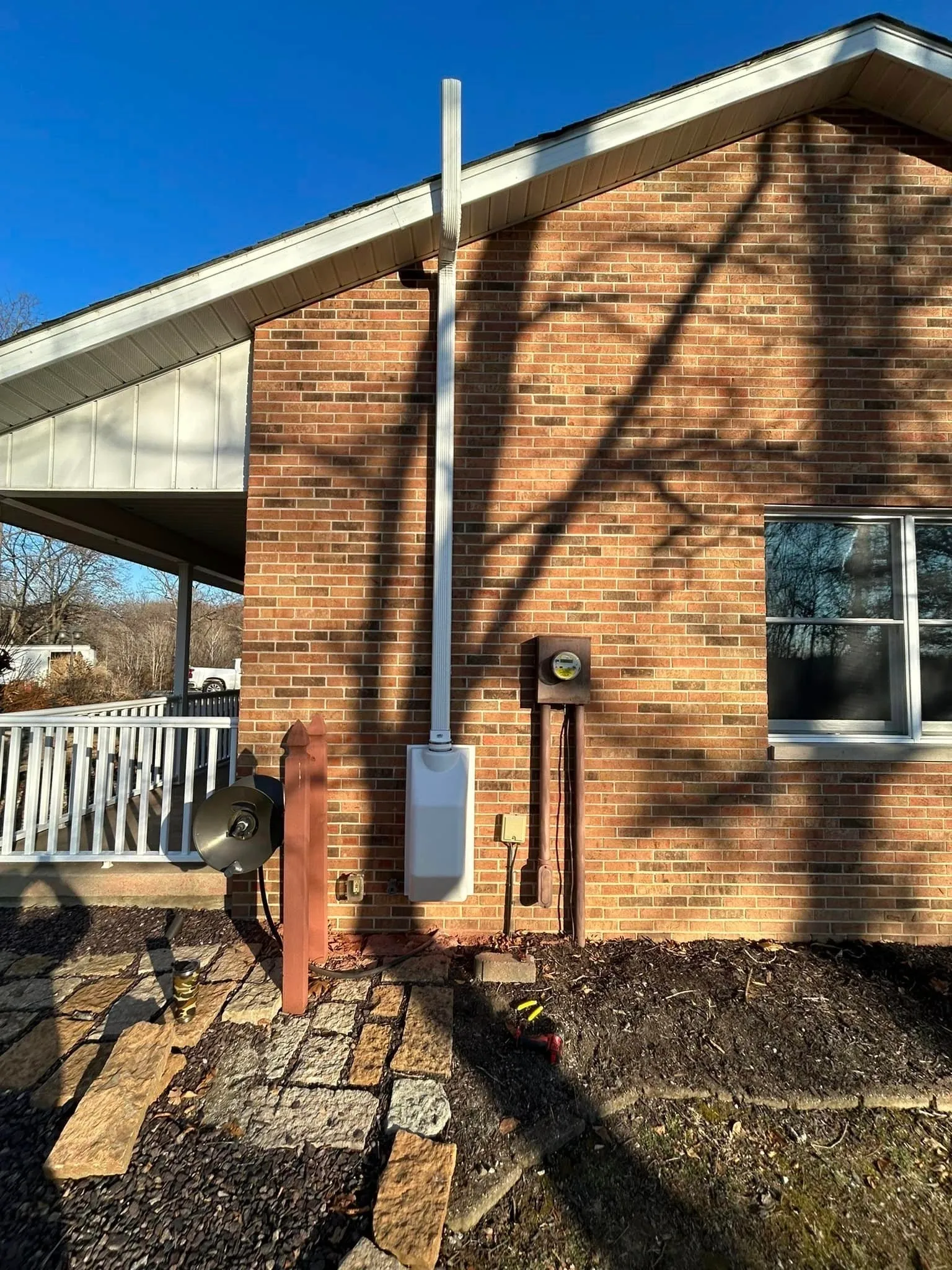
The biggest variable is how the radon fan and piping get installed. In a house with a full basement and a poured concrete floor, the contractor often drills a hole through the slab to access the gravel layer below. That creates a suction point. The pipe then runs up the side of the house or through an interior pipe chase. If your home has a crawl space instead of a basement, the work changes. The installer might need to lay a plastic membrane over the dirt and seal it at the edges with a quality sealant, then run the pipe through the crawl space to the outside. That takes more labor and materials, so the price goes up.
The type of soil gas also matters. In some areas, the soil has high moisture or clay content, which can affect how well the sub-slab depressurization works. If the system needs a larger fan or a more powerful vacuum, that raises the radon mitigation cost. I have seen jobs where we had to install a sump pump to handle water under the slab, which adds another layer of complexity. Every time you add a component, the price moves, but so does the effectiveness of the system.
Another factor is the presence of a radon entry point that is hard to reach. Cracks in the foundation, gaps around pipes, and openings near the sump pump all need to be sealed before the system goes in. If those areas are behind drywall or under a finished floor, the labor to access and seal them adds to the total. A thorough sealing job is critical because even a small gap can let soil gas bypass the fan. That is why a good contractor will always inspect the entire perimeter before giving you a firm quote.
The System Components and Their Costs
Let me break down what you are actually paying for in a typical active soil depressurization system. The radon fan itself is usually the single most expensive part. A quality fan costs between $200 and $400. The pipe, usually three or four inch PVC, runs about $50 to $100 for a typical installation. Then you have the vacuum gauge or manometer, which shows whether the system is under negative pressure. That little device costs maybe $20, but it is essential for verifying the system is working. The sealant, the plastic membrane for crawl spaces, and any electrical work for the fan add another $100 to $300. Labor is the rest, and that depends on the installer's experience and how long the job takes.
When I quote a job, I always include post-installation verification. That means running a radon test kit or a continuous radon monitor after the system is on to confirm the radon level has dropped. Some companies charge extra for that. I think it should be part of the package because the test is the only way to know the system actually worked. If the test shows levels still above the EPA action level of 4 picocuries per liter, the system needs adjustment. That verification step is a small part of the total radon mitigation cost, but it gives you real proof that your investment paid off.
Regional Differences and Local Factors
Where you live can change the price significantly. In St. Louis, where I work with Air Sense Environmental, the costs tend to fall in the middle of the national range. We have a lot of older homes with basements and some with crawl spaces. The radon stack effect, where warm air rises and pulls soil gas into the home, is a real concern here during the heating season. That means the system needs to be sized correctly to handle the airflow. In other parts of the country, like areas with high water tables or rocky soil, the installation can be more complicated and cost more.
I have seen some national chains quote $3,000 to $5,000 for the same system that a local specialist installs for $1,500. The difference is often overhead and travel time. A local company that knows the area's soil and building styles can often do the job more efficiently. That is worth keeping in mind when you compare quotes. The lowest price is not always the best value, but a fair price for quality work is usually in the range I mentioned.
New Construction and Radon-Resistant Design
If you are building a new home, consider radon-resistant new construction techniques. It is much cheaper to install a passive system during construction than to retrofit later. The cost of running a pipe from under the slab to the roof and placing a stub for a future fan is usually a few hundred dollars. Compare that to a full retrofit, which can run $1,500 or more. The EPA recommends these techniques for any new home in Zone 1 or Zone 2 radon areas, which includes most of the Midwest. If you are a builder or a homeowner planning a new house, ask your contractor about installing a sub-slab depressurization pipe. It is one of the smartest investments you can make for indoor air quality.
Why You Should Not Skip the Test
Some homeowners try to guess whether they have a radon problem without testing. They think because their neighbor tested low, they are fine. Or they assume a newer house is safe. Neither assumption is reliable. Radon levels vary from house to house, even on the same street. The only way to know is to use a radon test kit. You can buy a short-term kit for about $15 to $30 at a hardware store or online. If the result is above the EPA action level, you move to mitigation. The cost of the test is tiny compared to the health risk of living with high radon. I always tell people to test first, then worry about the radon mitigation cost. The test gives you the information you need to make a smart decision.
For ongoing monitoring, a continuous radon monitor gives you real-time readings. That device costs $100 to $200, and it plugs into an outlet. If you have a system installed, you can use the monitor to see that the radon level stays low over time. It is a nice extra, but not required for every home. The manometer on your system's pipe already tells you if the fan is running. If the manometer shows a drop in pressure, you know something is wrong.
Long-Term Value and Peace of Mind
When you look at the radon mitigation cost, think of it as a permanent fix for a recurring health risk. Radon is the second leading cause of lung cancer after smoking. Reducing your exposure is not something you want to put off. The system, once installed, runs for years with minimal maintenance. The fan may need replacement after ten to fifteen years, but the pipe and seals last much longer. The electricity cost to run the fan is about the same as a small light bulb, maybe $50 a year in most climates. So the ongoing expense is very low.
I have seen homes where the radon level dropped from 20 pCi/L to below 2 pCi/L after installation. The homeowners told me they sleep better knowing the air is cleaner. That is hard to put a price on. When you compare the cost to other home improvements, like a new water heater or a roof repair, the radon mitigation cost is comparable and often cheaper. And unlike those repairs, this one directly affects your family's health.
Final Thoughts on Getting Started
If you have a high radon test result, start by getting three quotes from qualified contractors. Ask each one to explain their approach, the components they plan to use, and their post-installation verification process. Do not be afraid to ask about the warranty on the fan and the labor. A good contractor will stand behind their work. The investment you make now will protect your home for decades. And if you live in an area like St. Louis, where radon is a known issue, addressing it is not just smart, it is responsible.
❧